400 Knoll St STE. 100A, Wheaton, IL 60187
 630-634-5050


-

- Home
- Attorneys
- Divorce Over Age 50
- How to Start Over After Divorce In Your 50s, 60s, and Older
- Divorce After Retirement
- Insurance Considerations
- Spousal Support
- Health Issues
- Long Term Care
- Division of Assets
- Division of Debts
- The Family Home
- Tax Consequences
- Issues with Adult Children
- Dating After 50
- Reentering the Workforce
- Prenuptial Agreements for Second Marriages
- FAQs
- Blog
- News
- Scholarship
- Contact
Recent Blog Posts
What Should a 50-Year-Old Victim of Domestic Violence Do?
 For some reason, people generally think that domestic violence is mostly an issue for young couples in their twenties and thirties. Unfortunately, it is not unique to any one age group and is common among older couples too. The problem is that people can be less likely to leave an abusive relationship once they reach a certain age, for various reasons. If you are near retirement age and considering divorcing an abusive spouse, a DuPage County divorce lawyer can guide you through the process with sensitivity and respect.
What Should I Do if I Am Worried for My Immediate Safety?
If you are in the State of Illinois and at risk of being harmed by your spouse, you can be granted an Emergency Order of Protection (EOP). This is another term for an immediate and temporary restraining order. The victim/complainant’s testimony is enough for an EOP to be granted; the accused abuser does not even need to be there.
I Am in My Fifties and Caught My Spouse Cheating. What Can I Do?
 Since all people are unique, and all couples have their own unique dynamics, there are also many unique reasons for divorce. But there are also some more typical reasons why some marriages end. One quite common reason is infidelity. This can break a couple whether they are newly married or have been together for decades, whether they are young or nearing retirement. If you are in your fifties or older and your spouse cheated on you, an experienced Kendall County, IL, divorce attorney can help you navigate this challenging time and plan your path forward.
Grounds for Divorce in Illinois
The State of Illinois is a “no-fault” state. The only ground for divorce recognized by the Illinois courts is the broad topic known as “irreconcilable differences.” Specific scenarios that could show how one spouse is to blame for ending the marriage are not taken into account when the court wants to determine if there are sufficient grounds for divorce. Instead, the court can accept a claim that the couple has irreconcilable differences that can not reasonably be resolved, and it will then dissolve the marriage. Even though infidelity will not have an impact on the grounds for divorce, it could influence other issues that need to be resolved in a divorce settlement.
Gray Divorce in Unique Families in Illinois
 Anytime a couple gets divorced, there are several issues they need to work out. Some divorces can be more complicated than others, depending on the circumstances. Some couples split amicably and can agree on everything they need to settle. Some couples need the court to intervene so that any settlements can be reached. Some divorces only involve 2 spouses splitting up, and both work full-time and have brought equal assets to the marriage. Some divorces involve children of various ages, possibly from different marriages. If the couple is over a certain age, they may need for the couple to figure out their retirement as well as their children’s college education. If you are considering gray divorce and are confused about how your unusual family dynamics might impact the proceedings, a knowledgeable DuPage County, IL gray divorce attorney can answer your questions and create a plan to protect your rights and interests.
Important Things to Know When Embarking on Gray Divorce
 While any divorce can be complicated, divorce for people a bit older and later in life can be even more so. This topic of divorce even has its own special name, “gray divorce.” When people get divorced later in life, there are some unique challenges as well as some reasons why it’s actually easier than getting divorced when you are younger. One of the main reasons why it can be more complicated is because an older couple will generally have more financial assets to figure out how to divide amongst themselves. While younger couples may need to figure out complicated things like child custody, a gray divorce settlement will determine how the ex-spouses’ retirements might look. If you are over fifty years old and divorce might be in the cards for you, an experienced DuPage County, IL, gray divorce lawyer will clear up some confusion and set you up for success in your divorce settlement.
Will Gray Divorce Ruin My Retirement?
 Once people reach their sixties, they know that their working years are almost over. If they have worked and put away money every month to plan for their retirement, it can feel like they are about to be rewarded for their many years of hard work. However, everyone has different retirement plans: some people work for large companies and are offered packages that include a matching program (the company deposits the same amount into a fund as the employee every month) and stock options, while other people might only have a 401K.
In some cases, one spouse is given a generous retirement package by their employee and the other spouse is not, and the couple might decide to depend on that one plan for their shared future. This arrangement works for many couples, but what happens if a couple gets a divorce? If you find yourself wondering whether you are better off staying in an unhappy marriage to ensure a comfortable retirement, a DuPage County divorce attorney can have an honest conversation and help get you the answers you need to make an informed decision.
What Should I Know About Gray Divorce in Illinois?
 Commonly known as “gray divorce,” when a couple in their fifties or older goes through a divorce, many issues come up that are unique to their specific situation. These couples are generally married for longer than younger couples and are either nearing or already into their retirement years. The financial implications of a gray divorce can be more complicated and very different from those of a divorce for a younger couple. Suppose you are in your fifties or older and considering divorce but do not know where to begin. In that case, an experienced DuPage County, IL divorce lawyer can help clear up some of the confusion and explain how you can help protect your financial future.
Why is Gray Divorce Different From Other Divorces?
 Otherwise known as “gray divorce,” divorce among couples who are 50 years of age or older has become increasingly common. The divorce rate among Americans in this age range has more than doubled over the last three decades. This is being attributed to several factors, including a longer life expectancy. The thought of getting divorced can be quite stressful if you’ve been married longer than you were ever single in your adult life. If you are 50 years of age or older and are considering divorce but overwhelmed by what it involves, a DuPage County, IL Gray Divorce attorney can answer your questions and help sort through the confusion and anxiety.
How Does Gray Divorce Differ from Other Divorces?
Longer life expectancy is a major reason why more and more older couples are getting divorced. In the past, unhappy couples may have stayed together for the sake of their children, and with a shorter life expectancy, once their children were grown and had moved out, it might have seemed like too drastic a measure for a limited time.
Unexpected Ways Gray Divorce Can Be Easier for You
 Divorce is never easy. Even if both people agree that this step makes the most sense for them, it is not a decision that is reached lightly. This is certainly the case for people over the age of 50 as well. In addition to splitting assets and debts, the couple will need to reconsider their retirement plans.
Fortunately, there are several surprising reasons why gray divorce could be easier than divorce at a younger age. If you are 50 years old or older and you think divorce might be the logical step for you, a Wheaton, IL divorce attorney could help make sense of this confusing time.
Why Is Gray Divorce Considered Complex?
Divorce at any age involves an agreement for asset distribution. The couple needs to split up their assets and debts in an equitable way. However, if you are 50 years old or older when you begin divorce proceedings, more factors might be considered:
3 Reasons Gray Divorce Can be Complex
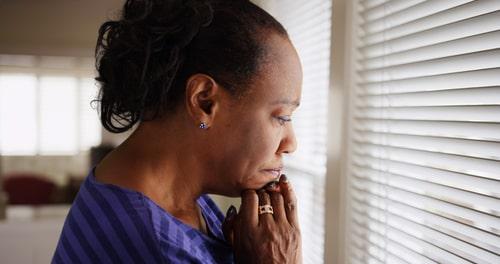 Divorce always has the potential to be complicated. With divorce for people 50 years or older, this certainly holds true. By the time you have reached your fifties, your life has probably gone through many changes since you first got married. These changes can make it harder to split, financially, physically, and even emotionally.
If you have been considering a divorce later in life, you might be feeling an added stress that you cannot quite understand. Below is a short list of reasons why this may be. If you are 50 years or older and you are thinking about getting a divorce, a Wheaton divorce attorney can offer you the advice you need to help you make informed decisions.
Getting Fair Spousal Support When Divorcing After 50 in Illinois
 Divorcing later in life brings unique financial challenges. Spousal support, also known as alimony or maintenance, can provide important income for older divorced individuals in Illinois. However, securing fair alimony requires understanding your rights and navigating the complex factors considered under state laws.
Illinois Courts Favor Permanent Alimony
When an older couple divorces in Illinois after a long-term marriage, judges will typically order permanent spousal maintenance that continues until the receiving spouse dies or remarries. The goal is to provide financial support similar to the standard of living enjoyed during the marriage.
Illinois judges do not like limiting alimony with a termination date when dealing with older couples who have been married for over 20-30 years. Permanent spousal support aims to prevent major lifestyle reductions after gray divorce.
Length of Marriage Is Key